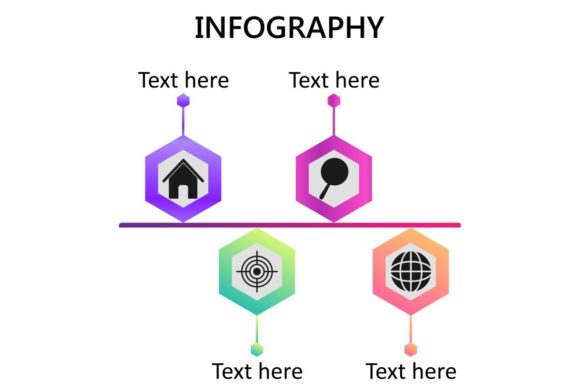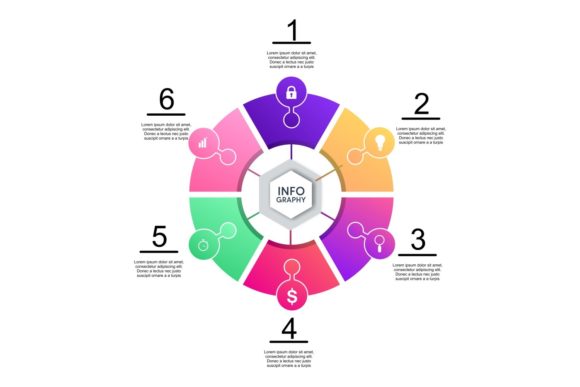
Creative Infographics Design: A Graphic Designer’s Take
First Impressions and Brand Personality
Upon opening Creative Infographics Design, the first thing that strikes me is its clean, modern aesthetic. The design feels fresh and approachable, with a balance of simplicity and visual interest. It suggests a brand that values clarity and creativity—perfect for small businesses aiming to stand out in a competitive market.
The mood it creates is friendly yet professional, making it suitable for a variety of local brands. Whether it's a cozy coffee shop, a boutique store, or a handmade soap business, this graphic design asset can adapt to different brand personalities. It feels versatile enough to work with both playful and elegant brand identities, offering designers the flexibility to tailor it to their client's needs.
Real-World Applications in Local Business Design
As an experienced brand designer, I see numerous opportunities to use Creative Infographics Design across various aspects of small business branding. From logo design to packaging design, this graphic design asset can be a valuable tool in creating cohesive brand identity.
- Product Labels: The vector files make it easy to resize and edit, which is essential for product labels that need to fit specific dimensions.
- Packaging Accents: The design can serve as a decorative element on packaging, adding visual interest without overwhelming the main content.
- Social Media Graphics: With its editable nature, Creative Infographics Design is ideal for creating engaging social media posts and promotional visuals.
- Menu Graphics: For food businesses, this design can be used to create eye-catching menu graphics that enhance the dining experience.
- Thank-You Cards: The design can be adapted into thank-you cards, reinforcing brand recognition and customer loyalty.
- Website Banners: Its scalability makes it perfect for web design projects, including website banners and landing pages.
Supporting Business Presentation and Brand Identity
Using Creative Infographics Design can significantly enhance a local business's presentation. It helps create a stronger first impression, which is crucial for attracting customers. The design also supports better product recognition through consistent visual elements that reinforce brand identity.
By maintaining a clear visual hierarchy, this graphic design asset ensures that important information stands out, improving customer trust. The professional look of the design contributes to more polished marketing visuals, which are essential for building credibility in the eyes of consumers.
Moreover, the design can improve shelf appeal, especially for product packaging. When placed next to competitors, the visual distinction created by Creative Infographics Design can help a small business stand out in a crowded market.
Where It Works Best
Creative Infographics Design excels in areas where visual appeal and brand consistency are key. It works particularly well for product labels, packaging accents, hero graphics, and decorative brand elements. These applications allow the design to complement other branding elements without overshadowing them.
It is also highly effective for promotional banners, product mockups, and seasonal campaign visuals. Whether it's a holiday-themed packaging design or a limited-time offer banner, the flexibility of the design asset makes it adaptable to various marketing needs.
Where to Use with Caution
While Creative Infographics Design is versatile, there are certain contexts where it may not be the best choice. It should be used carefully in formal corporate branding, where a more traditional or minimalist approach might be preferred.
Additionally, it may not be ideal for very small labels or crowded product packaging, where the design could compete with essential information. In layouts with heavy text, such as ingredient lists or legal information areas, the design might become distracting.
It's also worth noting that on low-contrast backgrounds or luxury minimalist brands, the design might not align with the desired aesthetic. Always consider how the design interacts with other elements in the overall brand identity.
Practical Brand Designer Notes
As a brand designer, I recommend testing Creative Infographics Design on real packaging mockups to ensure it functions as intended. Checking black and white usage is also important, as it helps assess how the design holds up in different lighting conditions.
Previewing the design on small labels is another practical step, ensuring it remains legible and visually appealing at scale. Testing it with brand colors and comparing it to competitor packaging can provide insights into its effectiveness in the market.
Before using the design for client work or physical product sales, confirm the commercial license. This ensures that the design can be used legally for all intended purposes. Additionally, inspect SVG or vector editability when relevant, as it allows for greater customization and scalability.
Testing the design alongside different font styles—serif, sans serif, script, and display fonts—can help determine its compatibility with various brand voices. Finally, reviewing PNG transparency and ensuring high-quality print output are essential steps in the design process.